
Fire Safety Compliance in Commercial Buildings: What Every Business Needs to Know
Fire safety is one of the most important responsibilities for any organisation managing commercial property. Beyond protecting buildings and assets, effective fire safety measures are essential for safeguarding employees, visitors, customers, and residents.
In the UK, fire safety compliance is a legal obligation, and failing to meet requirements can result in significant financial penalties, reputational damage, operational disruption, and, most importantly, risks to life.
For facilities managers, property owners, and business leaders, understanding fire safety compliance is critical to maintaining safe and compliant buildings.
At UK Facilities Solutions Ltd, we support organisations across London, the South East, and nationwide with fire safety inspections, maintenance, and FM compliance services designed to help businesses manage risk and meet their legal obligations.
Understanding Fire Safety Compliance in the UK
Fire safety compliance refers to the measures organisations must take to reduce fire risk and protect building occupants.
Commercial properties are subject to a range of regulations and responsibilities, including:
Conducting fire risk assessments
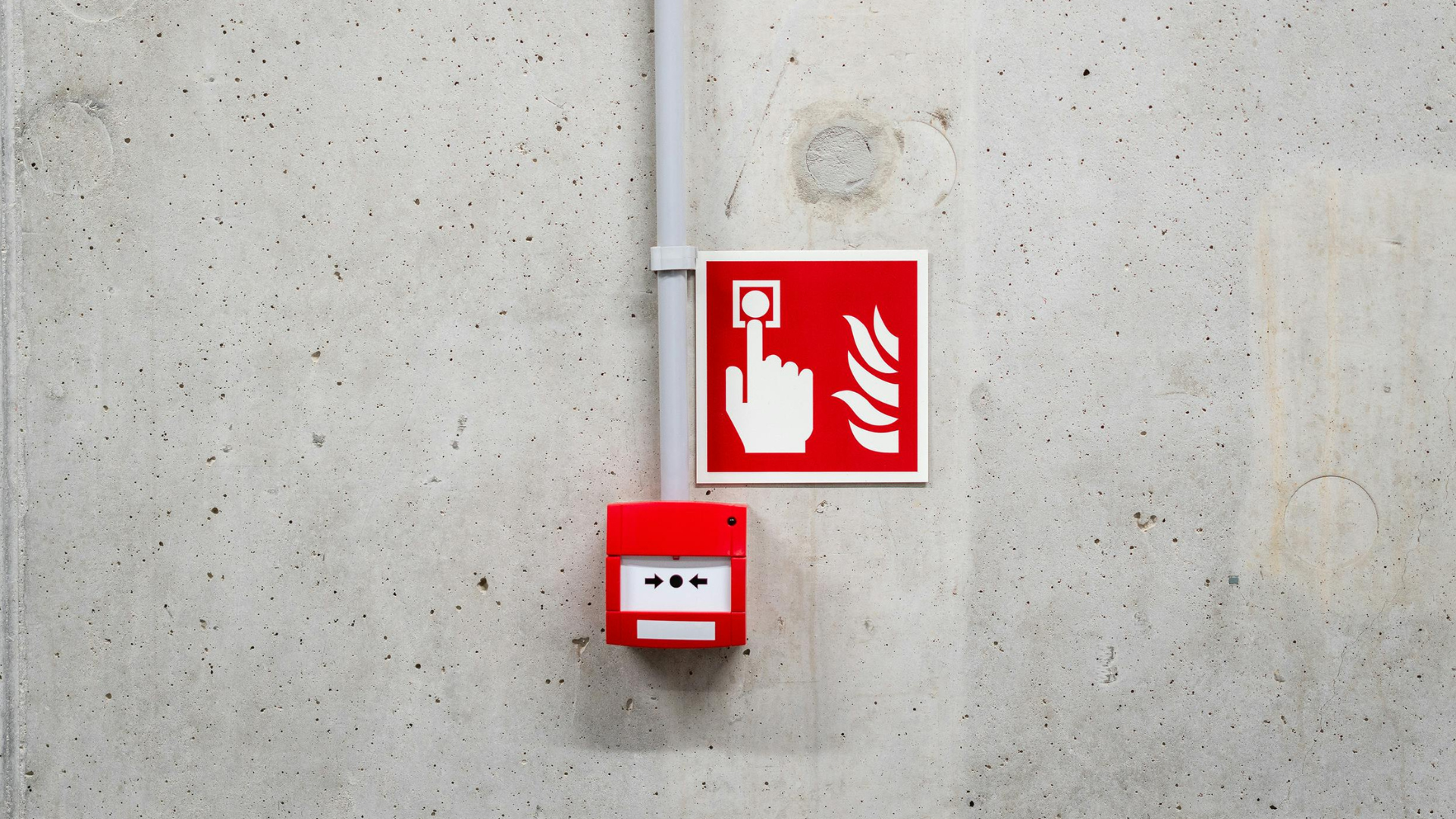
Maintaining fire detection and alarm systems
Ensuring emergency lighting is operational
Inspecting and maintaining fire doors
Keeping escape routes clear and accessible
Providing appropriate fire safety equipment
Maintaining accurate compliance records
These requirements form the foundation of effective fire safety compliance in the UK and should be embedded within every facilities management strategy.
Why Fire Safety Compliance Matters
Fire safety is often viewed as a compliance exercise, but its importance extends far beyond regulatory obligations.
A robust fire safety strategy helps organisations:
Protect people and property
Reduce operational risk
Minimise business disruption
Demonstrate legal compliance
Support insurance requirements
Improve overall building safety
For organisations operating commercial buildings, educational facilities, hospitality venues, healthcare settings, or multi-site estates, fire safety compliance should be treated as an ongoing priority rather than an annual task.
The Critical Role of Fire Door Inspections
One of the most overlooked elements of fire safety is the condition of fire doors.
Fire doors are designed to slow the spread of fire and smoke, helping protect escape routes and allowing occupants additional time to evacuate safely.
However, fire doors can only perform effectively if they are properly maintained.
Regular fire door inspections help identify issues such as:
Damaged door leaves or frames
Faulty self-closing mechanisms
Excessive gaps around the door
Missing seals or intumescent strips
Unauthorised alterations or damage
Even minor defects can compromise a fire door's effectiveness, creating significant safety and compliance risks.
Routine inspections should form a key part of any commercial building fire safety programme.
Fire Risk Assessments: The Starting Point for Compliance
A fire risk assessment is often the foundation of a building's fire safety strategy.
The assessment identifies:
Potential fire hazards
People at risk
Existing control measures
Areas requiring improvement
The findings help organisations prioritise actions and ensure fire safety resources are focused where they are needed most.
Importantly, fire risk assessments should be reviewed regularly, particularly when:
Building layouts change
Occupancy levels increase
New equipment is installed
Significant works are completed
Fire safety compliance is not static, and risk assessments should evolve alongside the building.
Maintaining Fire Detection and Alarm Systems
Fire alarms provide early warning during an emergency and are a critical component of commercial building safety.
Regular testing and servicing help ensure systems remain operational when needed.
Facilities teams should ensure:
Weekly alarm testing is completed
Routine inspections are documented
Faults are addressed promptly
Systems are professionally serviced in accordance with relevant standards
A malfunctioning fire alarm system can place occupants at risk and lead to serious compliance failures.
Emergency Lighting and Safe Evacuation
In the event of a fire or power failure, emergency lighting helps occupants navigate escape routes safely.
Without functioning emergency lighting, evacuation can become significantly more difficult, particularly in larger or more complex buildings.
Regular maintenance should include:
Functional testing
Duration testing
Inspection of fittings and batteries
Record keeping and certification
Emergency lighting forms an essential part of overall commercial building safety and should never be overlooked.
The Importance of Record Keeping and Documentation
A common challenge for facilities managers is maintaining accurate compliance records.
Fire safety documentation should include:
Fire risk assessments
Fire alarm testing records
Fire door inspection reports
Emergency lighting certificates
Maintenance and servicing records
Good documentation demonstrates compliance, supports audits, and provides evidence that safety measures are being properly managed.
Without clear records, organisations may struggle to prove compliance even when maintenance activities have been completed.
Fire Safety Compliance Across Multi-Site Estates
For organisations operating multiple locations, fire safety management can become increasingly complex.
Different sites may have:
Different building layouts
Varying occupancy levels
Different fire safety systems
Unique compliance requirements
A consistent fire safety strategy helps organisations maintain standards across the entire estate.
Many businesses now integrate fire safety management within broader FM compliance services, providing better visibility and control across multiple sites.
How Facilities Management Supports Fire Safety
Fire safety is not a standalone activity. It is closely linked to wider facilities management and building maintenance programmes.
An effective facilities management provider can help organisations by:
Scheduling inspections and servicing
Managing fire door inspection programmes
Coordinating compliance reporting
Maintaining accurate records
Supporting audit readiness
Identifying risks before they escalate
Integrating fire safety into a wider facilities management strategy helps create a more proactive and efficient approach to compliance.
Creating a Safer, More Compliant Estate
Fire safety compliance is not simply about meeting regulations—it is about protecting people, reducing risk, and maintaining safe environments.
Regular inspections, effective maintenance, accurate record keeping, and proactive facilities management all contribute to stronger fire safety performance.
For businesses managing commercial properties, investing in fire safety today can help prevent serious operational, financial, and safety consequences in the future.
Protect Your Business with Professional Fire Safety Support
Whether you manage a single commercial property or a multi-site estate, maintaining fire safety compliance should remain a top priority.
UK Facilities Solutions Ltd provides fire safety inspections, fire door inspections, planned maintenance, and FM compliance services for organisations across London, the South East, and nationwide.
Contact UK Facilities Solutions Ltd today to discuss your fire safety compliance requirements.
01825 598400 | info@ukfsl.co.uk
Protect Your Business with Professional Fire Safety Support