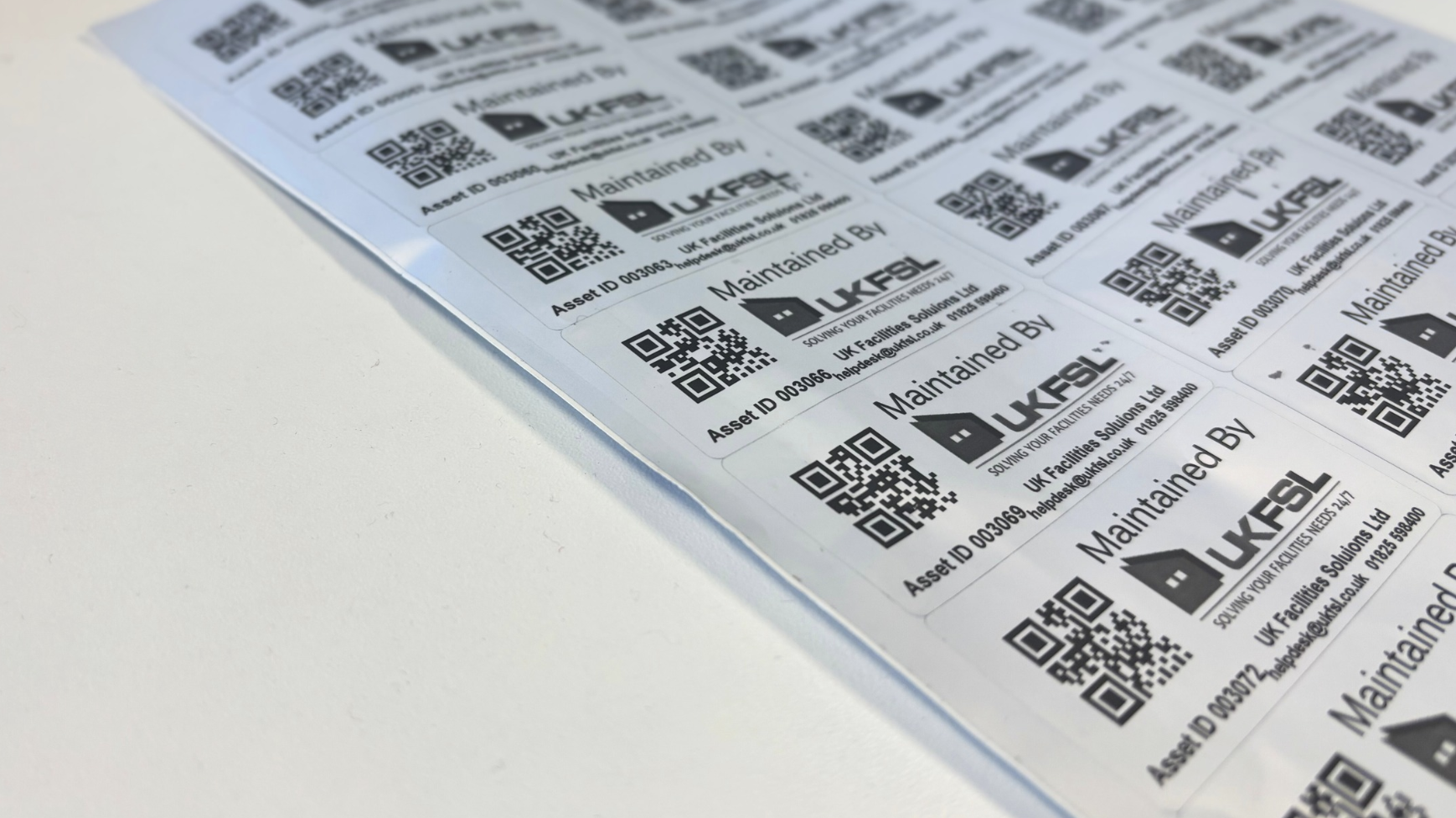
The Data-Driven Estate: How Asset Tracking and Technology Are Transforming Facilities Management
Facilities management is changing rapidly. For organisations responsible for large or multi-site estates, traditional approaches to building maintenance are no longer sufficient. Spreadsheets, reactive call-outs, and disconnected records make it difficult to control costs, maintain compliance, and plan effectively.
Today, data-driven facilities management is transforming how estates are managed. By using asset tracking, CAFM systems, and digital FM technology, businesses are gaining better visibility of their buildings and making more informed maintenance decisions.
At UK Facilities Solutions Ltd, we support clients across the UK in moving towards a more proactive, technology-led approach to facilities management.
What Is a Data-Driven Estate?
A data-driven estate uses digital systems to record, monitor, and manage building assets across one or multiple sites. This includes critical assets such as HVAC systems, fire safety equipment, lighting, electrical infrastructure, roofing, and plant machinery.
Each asset is digitally tracked with key information, including:
Asset location and specification
Installation date and expected lifespan
Maintenance and repair history
Statutory compliance requirements
Condition and risk status
This structured asset data provides estates teams with a single source of truth, enabling consistent facilities management across the entire estate.
The Importance of Asset Tracking in Facilities Management
Asset tracking is a core component of modern facilities management. Without clear records of what assets exist, where they are located, and how they are performing, maintenance quickly becomes reactive and inefficient.
With digital asset tracking in place, facilities managers can:
Plan and schedule planned preventative maintenance (PPM)
Identify recurring faults and high-maintenance assets
Reduce unplanned breakdowns and emergency repairs
Improve asset lifecycle planning and replacement forecasting
This shift from reactive to planned maintenance helps reduce downtime and delivers better long-term value from building assets.
How Technology Is Transforming Facilities Management
Advances in facilities management software have significantly improved how estates are managed. CAFM systems allow maintenance activity, asset data, and compliance records to be managed in one central platform.
Key benefits of FM technology include:
Automated PPM schedules and job allocation
Real-time tracking of reactive and planned works
Secure digital storage of compliance certificates
Clear audit trails for inspections and servicing
Mobile technology also plays a vital role. Engineers can update asset records on site, upload photographs, and close jobs in real time, ensuring information remains accurate and current.
Why Data-Driven FM Is Essential for Multi-Site Estates
For organisations managing multiple locations, maintaining consistency is one of the biggest challenges. A data-driven approach to facilities management provides the visibility needed to manage estates at scale.
By using asset data and performance insights, organisations can:
Apply consistent maintenance standards across all sites
Identify high-risk or underperforming buildings
Forecast maintenance and capital expenditure more accurately
Strengthen compliance management and reduce risk
This level of insight enables estates teams to move from operational firefighting to strategic planning.
Turning Asset Data into Practical Action
While technology provides the data, experienced facilities management providers turn that information into meaningful action.
Effective FM partners use asset data to:
Prioritise maintenance based on risk and condition
Support informed decision-making for repairs and upgrades
Improve long-term asset performance
Deliver continuous improvement across the estate
Data becomes a practical tool for managing buildings more efficiently, safely, and cost-effectively.
The Future of Facilities Management
The future of facilities management is digital, proactive, and insight-led. As estates become more complex, asset tracking and FM technology will play an increasingly important role in controlling costs, maintaining compliance, and protecting asset value.
For organisations looking to improve visibility, reduce reactive maintenance, and gain better control of their facilities, a data-driven approach to FM is no longer optional—it is essential.
Get in touch with UK Facilities Solutions Ltd:
01825 598400 | info@ukfsl.co.uk